14 Dec, 2025
How to Care for Pashmina & Cashmere: An Expert Guide for Long-Lasting Luxury

Introduction
Investing in pashmina and cashmere is investing in timeless elegance. But knowing how to care for pashmina and cashmere properly makes the difference between pieces that last a season and heirlooms that endure for decades. These precious fibers, sourced from the high-altitude regions of the Himalayas, represent centuries of craftsmanship and heritage. Their extraordinary softness and warmth come with a responsibility: proper cashmere care and maintenance. Without the right approach to cleaning delicate garments, even the finest luxury textiles can lose their lustre, develop pilling, or fall victim to moths. This comprehensive guide walks you through everything you need to preserve your natural fibers for years, ensuring they remain as beautiful as the day you first wrapped them around your shoulders.
Why Pashmina & Cashmere Need Special Care
Pashmina and cashmere aren't like ordinary wool. Pashmina comes from the undercoat of Himalayan goats, with fibers measuring just 12-15 microns in diameter, finer than a human hair. Cashmere, sourced from cashmere goats, typically ranges from 15-19 microns. This ultra-fine structure gives these textiles their signature softness but also makes them more delicate than standard wool.
The fibers' natural structure contains tiny scales that can tangle or mat if handled roughly. Heat, harsh chemicals, and aggressive washing can damage the protein bonds in the fibers, leading to shrinkage, loss of softness, or permanently altered texture. According to textile research from the Woolmark Company, fine wool fibers require pH-neutral detergents and cool water to maintain their structural integrity.
When you understand what makes these materials precious, you also understand why they deserve gentle, intentional care. Pashmera's handcrafted pashmina & cashmere pieces are created with traditional techniques that honour this heritage, making proper maintenance essential to preserving their value and beauty.
How to Wash Pashmina & Cashmere the Right Way
When to Wash
The golden rule: wash only when necessary. Unlike synthetic fabrics, natural fibers like pashmina and cashmere don't trap odours easily. Airing them out after wearing is often sufficient for luxury textile care. Plan to wash your pieces once every 10-15 wears, or at the end of the season before storage.
Step-by-Step Handwashing Guide
Proper cashmere washing technique protects delicate garments from damage while maintaining their softness.
What You'll Need:
Cold or lukewarm water (never hot)
Gentle detergent formulated for delicate fibers or baby shampoo
Clean basin or sink
Soft towel
Steps:
Fill basin with cool water (maximum 30°C/86°F). Add a small amount of mild detergent, about a teaspoon per liter.
Submerge completely and gently press the fabric to ensure it's fully saturated. Let soak for 3-5 minutes.
Gently agitate by pressing and squeezing softly. Never twist, wring, or scrub.
Rinse thoroughly in cool water until all detergent is removed. You may need 2-3 rinses.
Remove excess water by pressing gently between your hands. Never twist.
Lay flat on a clean towel and roll the towel up with the garment inside to absorb moisture.
Reshape and dry flat on a fresh, dry towel away from direct heat or sunlight. Turn occasionally to ensure even drying.
Quick Care Summary (Featured Snippet Format):
Use cold or lukewarm water only
Choose gentle detergent or baby shampoo
Never wring or twist the fabric
Dry flat on a towel, never hang
Keep away from direct heat and sunlight
Explore Pashmera's collection of luxury cashmere scarves that reward proper care with lasting beauty.
Storing Pashmina & Cashmere During and Beyond Winter
Proper storage is crucial to preventing damage during off-seasons and maintaining garment longevity.
Folding vs Hanging
Always fold, never hang. The weight of cashmere and pashmina can stretch the fibers if hung, distorting the shape permanently. Fold loosely to avoid deep creases.
Moth Prevention
Moths are attracted to natural fibers, especially those with traces of body oils or perfume. Before storing:
Ensure items are completely clean
Add cedar balls, lavender sachets, or moth-repellent products (avoid direct contact with fabric)
Never use mothballs as the chemicals can damage delicate fibers
According to the International Wool Textile Organisation, proper storage in breathable materials significantly extends fine wool lifespan.
Storage Environment
Store in breathable cotton bags or muslin pouches, never plastic. Plastic traps moisture, encouraging mildew. Keep your storage area cool, dry, and dark. Avoid basements or attics with fluctuating humidity. For those building a versatile winter wardrobe, consider adding pieces from the women's collection that transition beautifully across seasons.
Long-Term Protection
If storing for extended periods, check on your pieces every few months. Refold along different lines to prevent permanent creases and inspect for any signs of pests.
Everyday Care Tips to Make Them Last Years
Fine wool maintenance goes beyond washing. Daily care habits protect your investment in luxury textiles.
De-Pilling
Small fabric pills are natural with wear. Remove them gently using a cashmere comb or fabric shaver. Never pick at them by hand. Work in one direction with light pressure.
Brushing
Use a soft-bristled garment brush to refresh fibers and remove surface dust. Brush in the direction of the weave after each wear
Airing Out
After wearing, lay your piece flat over a chair or rack in a well-ventilated room for a few hours. This allows moisture and any absorbed odours to dissipate naturally.
Avoiding Damage
Perfume and makeup: Apply these before putting on your pashmina or cashmere. Direct contact with chemicals and oils can stain or weaken fibers.
Friction: Be mindful of bag straps, seatbelts, and jewellery that can cause pilling through repeated rubbing.
Travel: Roll rather than fold when packing. Store in a separate pouch to protect from zippers and sharp objects.
The attention you give to pashmina shawls for winter directly translates to their lifespan and continued luxury.
Common Mistakes to Avoid
Even with good intentions, certain practices can harm your investment pieces and reduce garment longevity.
Over washing
Each wash, however gentle, puts stress on fibers. Wash only when visibly soiled or at season's end.
Using Hot Water
Heat causes fibers to shrink and mat irreversibly. Always use cool or lukewarm water for washing delicate garments.
Hanging Heavy Shawls
Gravity is not a friend to delicate knits. Hanging distorts shape and creates shoulder bumps that are difficult to reverse.
Machine Washing
Even on delicate cycles, washing machines are too aggressive. The agitation damages the fiber structure of natural fibers.
Exposing to Direct Sunlight
UV rays fade colours and weaken fibers. Dry and store in shaded areas.
Ignoring Stains
Address spills immediately by blotting (never rubbing) with a clean, damp cloth. Delaying treatment makes stains set permanently.
When to Seek Professional Cleaning
Some situations call for expert care:
Stubborn stains like wine, oil, or ink that don't respond to gentle spot cleaning
Delicate embellishments or embroidery that could be damaged by home washing
Vintage or heirloom pieces with fragile fibers
Annual deep cleaning for frequently worn items
Luxury buyers who wear their pieces regularly should consider professional cleaning once a year to maintain optimal condition. Look for cleaners experienced with delicate natural fibers who use gentle, solvent-free methods.
Explore Pashmera's Handcrafted Pashmina & Cashmere
Every Pashmera piece is created with the same care we've outlined in this guide. From handcrafted women's pashmina to premium men's pashmina accessories, each item deserves preservation techniques that honour its craftsmanship.
Whether you're drawn to the versatility of wraps, the elegance of shawls, or the refined simplicity of scarves, knowing how to care for these luxury textiles ensures they become treasured wardrobe staples. Discover new arrivals in fine cashmere and begin building a collection that lasts generations.
FAQs
Can I wash pashmina at home or should I always dry clean?
You can safely handwash pashmina at home using cool water and gentle detergent designed for delicate garments. Follow the proper technique of soaking, gentle squeezing, and flat drying to preserve natural fibers. Dry cleaning is optional for most pieces, reserved mainly for heavily soiled items or those with delicate embellishments that could be damaged by water.
How do I identify real pashmina versus synthetic blends?
Authentic pashmina feels extraordinarily soft and lightweight, with natural warmth when held. Perform a burn test on a single thread: real pashmina smells like burnt hair and crumbles to ash, while synthetic fibers melt into hard beads. Check for hand-loomed irregularities and breathability. Synthetics feel slippery and don't regulate temperature as effectively as genuine luxury textiles.
Can I iron my cashmere scarf if it's wrinkled?
Avoid ironing when possible for proper cashmere care. If necessary, use the lowest heat setting with a pressing cloth between the iron and fabric. Better yet, use a steamer held several inches away, or hang in a steamy bathroom. For minor wrinkles, laying flat overnight usually allows the fibers to relax naturally without heat exposure.
What's the best way to remove oil stains from pashmina?
Blot immediately with a clean, absorbent cloth (never rub). Sprinkle cornstarch or talcum powder on the stain to absorb oil, leave for several hours, then brush off gently. Handwash using the cool-water method described above. For stubborn stains, apply a small amount of gentle dish soap directly to the area before washing, or consult a professional cleaner.
How should I store cashmere during monsoon season?
Ensure pieces are completely clean and dry before storing. Use breathable cotton bags with silica gel packets to absorb excess moisture for optimal fine wool maintenance. Avoid plastic containers that trap humidity. Store in the coolest, driest part of your home, away from walls that might develop dampness. Check monthly for any signs of moisture or pests.
Is it normal for new pashmina shawls to shed initially?
Light shedding of loose fibers is normal during the first few wears as the piece settles. This is different from pilling, which develops with friction over time. Gently brush with a soft garment brush to remove loose fibers. Excessive shedding may indicate lower quality or loosely woven fabric, so source from trusted retailers like Pashmera.
Conclusion
Caring for pashmina and cashmere isn't complicated. It simply requires intention and gentleness. These luxury textiles have traveled from remote mountain regions, passed through the hands of skilled artisans, and arrived in your wardrobe as masterpieces of natural elegance. With the proper cashmere washing, storage, and everyday care techniques outlined in this guide, your delicate garments will remain soft, beautiful, and cherished for decades.
The investment you make in quality textiles deserves the investment of proper care. Whether you're preserving a treasured shawl or maintaining an entire collection, these practices ensure your pieces retain their value and beauty season after season. Master these essential tips for how to care for pashmina and cashmere, and watch your luxury fibers maintain their exceptional quality through years of wear. Explore Pashmera's full range of handcrafted pieces and begin your journey with textiles that reward thoughtful stewardship with timeless luxury.

Blog
May 18, 2025
How a Poet’s Elegance Elevated the Pashmina Shawl
Explore how Nobel Laureate Rabindranath Tagore’s love for Pashmina became a poetic expression of cultural pride and timeless grace.
Blog
May 18, 2025
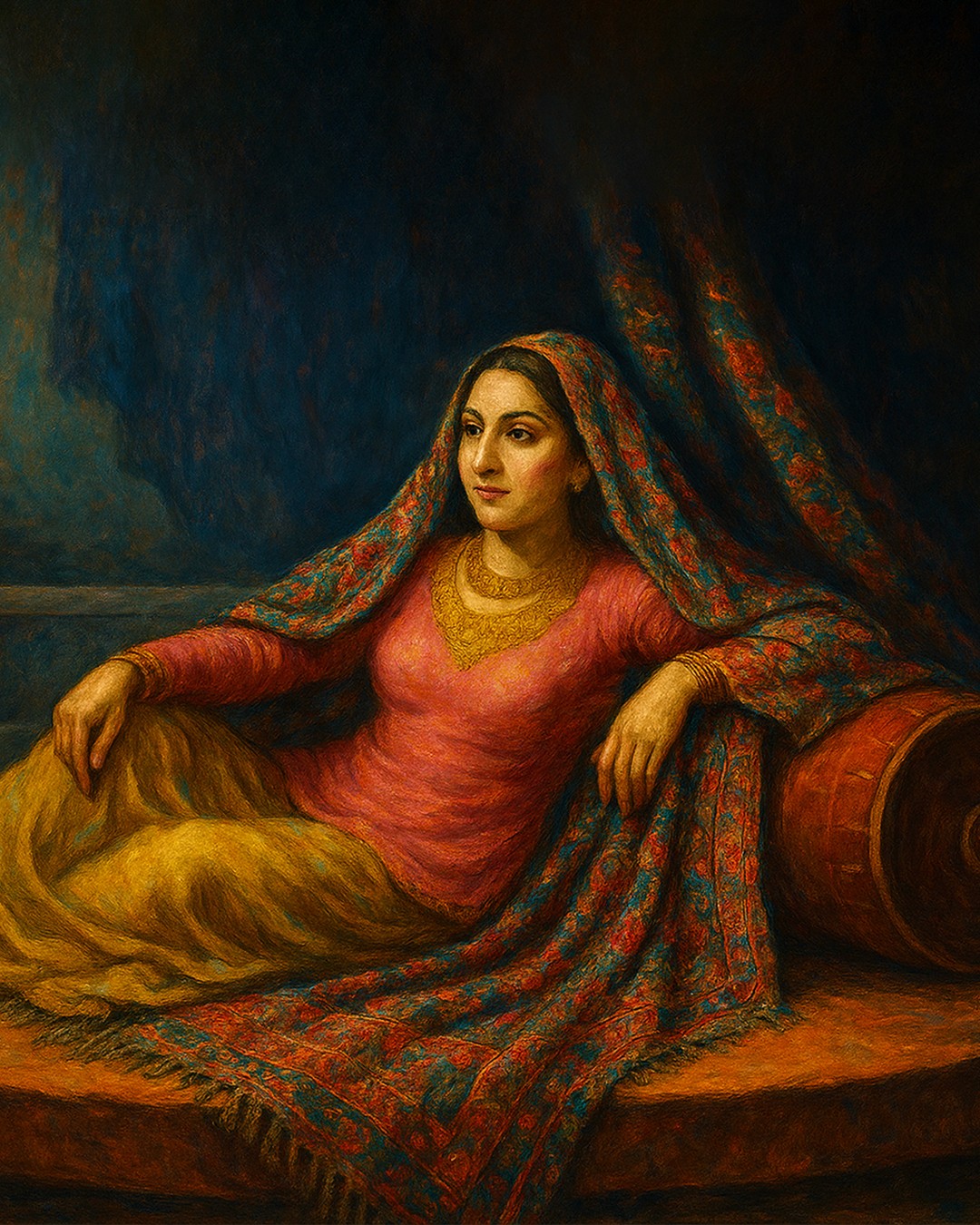
The Empress Who Elevated the Pashmina Shawl
Discover how Empress Noor Jahan’s royal influence turned the Pashmina shawl into an icon of power, artistry, and regal sophistication.