18 May, 2025
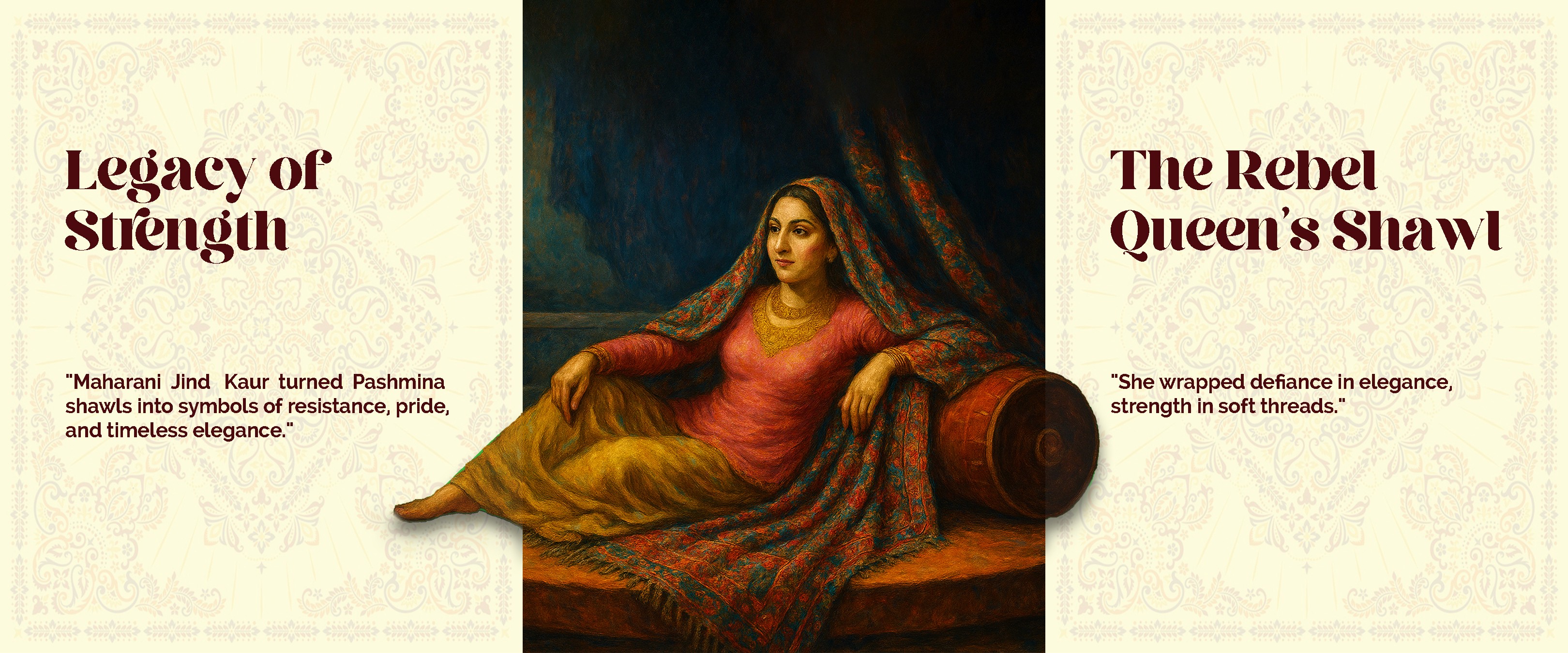
Introduction
Throughout history, Pashmina shawls have been symbols of luxury, elegance, and refinement, coveted by royalty and nobility. One of its most illustrious patrons was Empress Noor Jahan, whose refined taste and influential stature transformed the Kashmiri shawl into a royal emblem admired throughout the Mughal Empire.
Who Was Noor Jahan?
Noor Jahan, born Mehr-un-Nissa in 1577, was one of the most powerful and influential women in the history of India. As the twentieth and favorite wife of Mughal Emperor Jahangir, she wielded extraordinary political power and patronized art, culture, and fashion, leaving an indelible mark on the empire’s cultural heritage.
Noor Jahan’s Passion for Pashmina
Empress Noor Jahan had an exceptional eye for aesthetics and luxury, particularly fond of exquisite Kashmiri Pashmina shawls. She elevated the status of these shawls by integrating them prominently into royal attire and courtly fashion. Noor Jahan not only wore these luxurious shawls but also gifted them generously to royalty and nobles, thereby enhancing their desirability and prestige.
Influence on Mughal Fashion and Court Culture
Noor Jahan’s embrace of Pashmina significantly impacted Mughal fashion. Her unique way of draping and styling shawls set trends across the empire, and her influence was evident in court attire and aristocratic fashion. The shawls became a staple of elegance and sophistication, symbolizing royalty and cultural refinement.
Patronage of Artisans and Craftsmanship
Under Noor Jahan’s patronage, the Kashmiri textile industry flourished significantly. Her active support for local artisans helped preserve and refine the art of Pashmina weaving, embroidery, and intricate craftsmanship. Her court became a center of artistic excellence, attracting talented weavers and embroiderers whose skills were celebrated and promoted.
Noor Jahan’s Lasting Legacy
Noor Jahan’s contribution to Indian textiles, especially Kashmiri Pashmina, has endured beyond her lifetime. Today, her legacy inspires fashion designers, textile artisans, and cultural historians. Her profound influence continues to define the modern perception of Pashmina shawls as luxurious, timeless heirlooms of elegance.
At Pashmera, we honor Noor Jahan’s legacy by upholding the highest standards of craftsmanship, carefully crafting shawls that reflect the elegance, luxury, and cultural significance she so valued.
Why Authentic Kashmiri Pashmina Matters
Authentic Kashmiri Pashmina shawls carry centuries of heritage, exceptional quality, and unparalleled craftsmanship. Unlike mass-produced replicas, true Pashmina shawls represent the legacy of skilled artisans whose techniques have been perfected over generations.
Each Pashmera shawl embodies the regal sophistication and artisanal mastery celebrated by Noor Jahan herself, making every piece a timeless heirloom.
Conclusion: A Legacy of Royal Elegance and Cultural Heritage
Noor Jahan’s life exemplifies the transformative power of style and patronage. Her passion for Pashmina shawls elevated them into iconic symbols of royal elegance and refined cultural identity. At Pashmera, we are proud to continue this legacy, offering authentic shawls that reflect the Empress’s timeless elegance and her profound appreciation for the beauty and heritage of Kashmir.
Keywords: Noor Jahan, Pashmina Shawls, Kashmiri Shawls, Mughal Fashion, Royal Elegance, Cultural Heritage, Traditional Crafts, Artisan Craftsmanship, Indian Textile History.
Blog
May 18, 2025
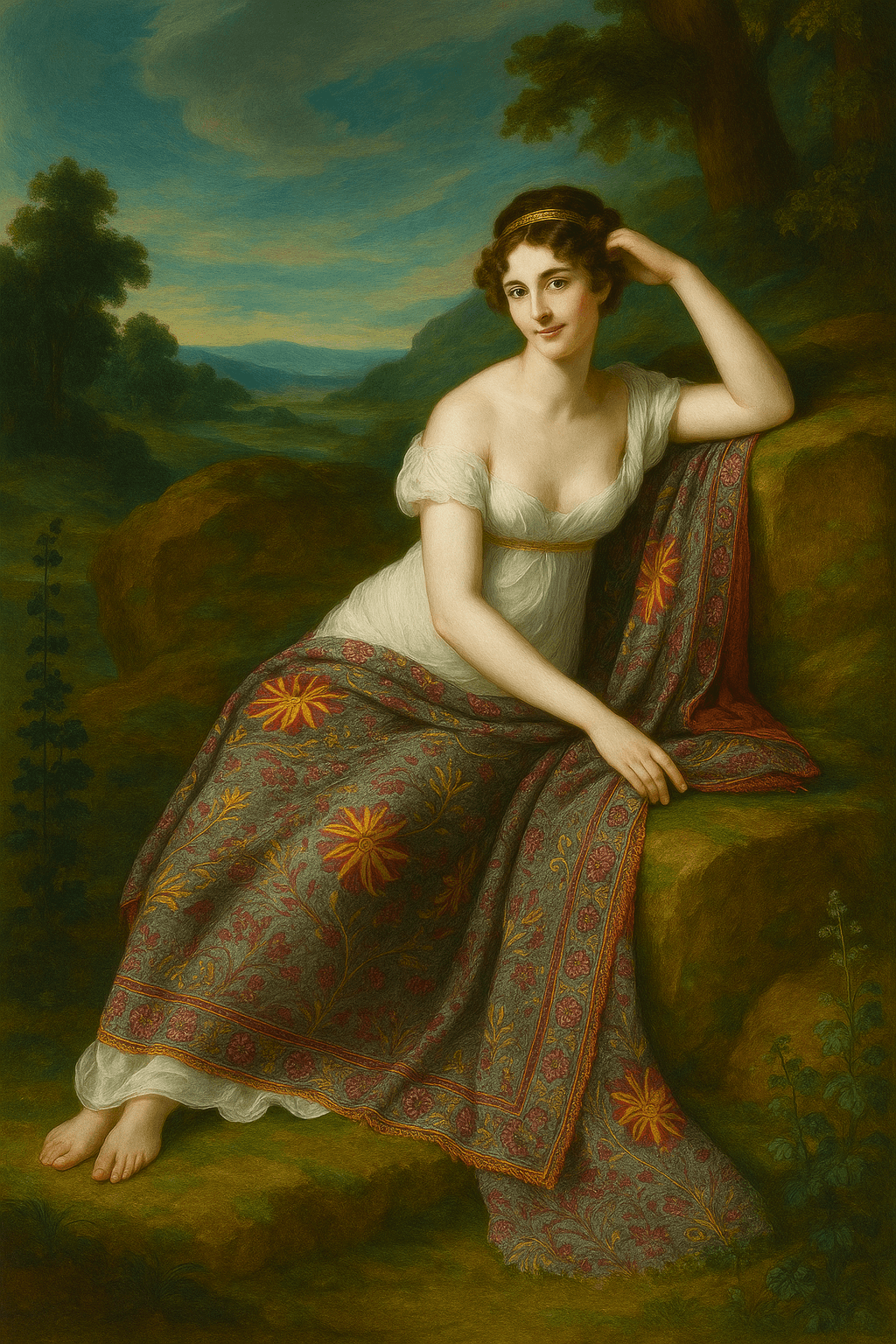
How Empress Joséphine Turned Kashmiri Pashmina into Europe’s Ultimate Luxury
Discover how Empress Joséphine’s love for Pashmina reshaped European fashion and elevated the Kashmiri shawl into a symbol of aristocratic refinement.
Blog
May 18, 2025
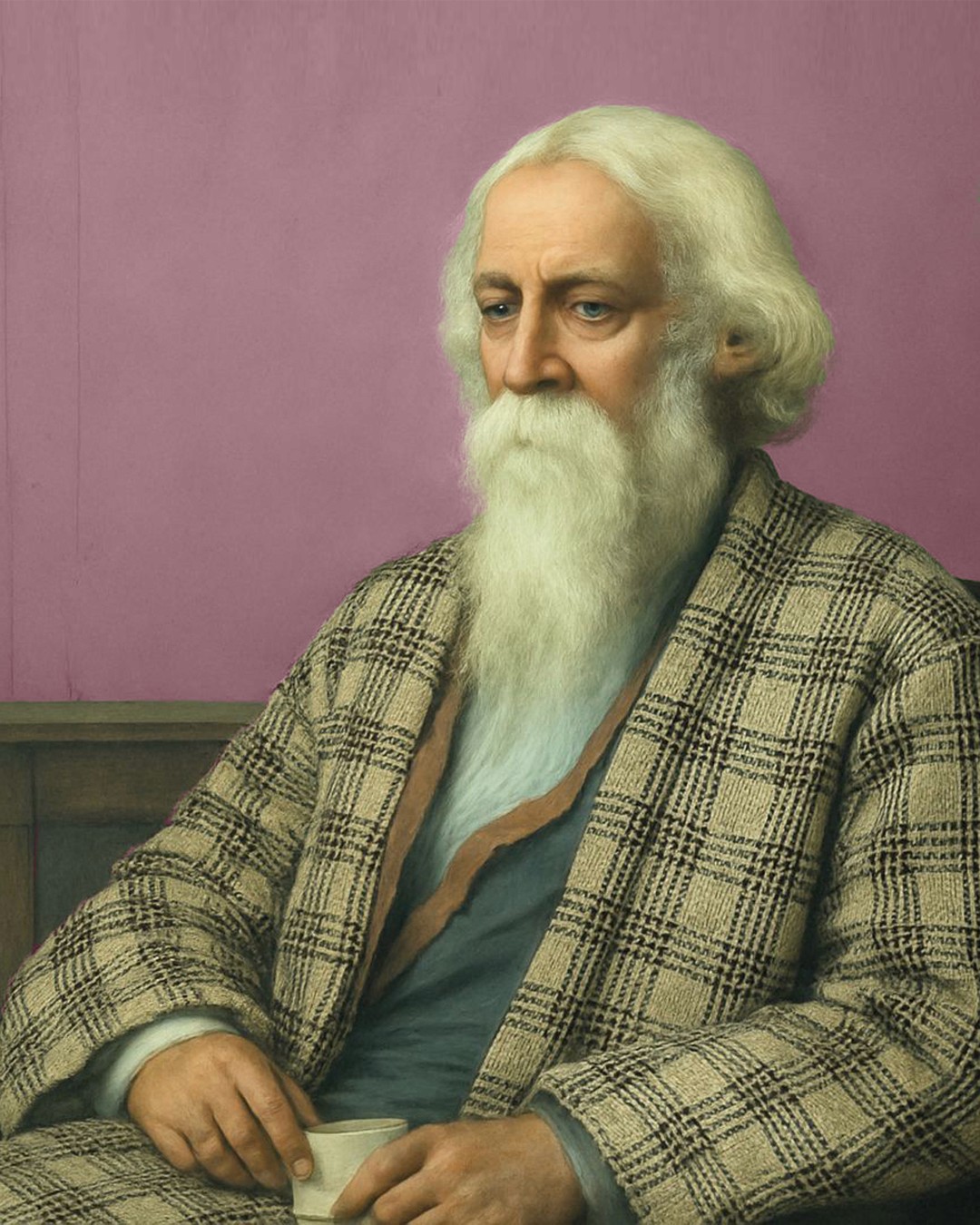
How a Poet’s Elegance Elevated the Pashmina Shawl
Explore how Nobel Laureate Rabindranath Tagore’s love for Pashmina became a poetic expression of cultural pride and timeless grace.