18 May, 2025
Introduction
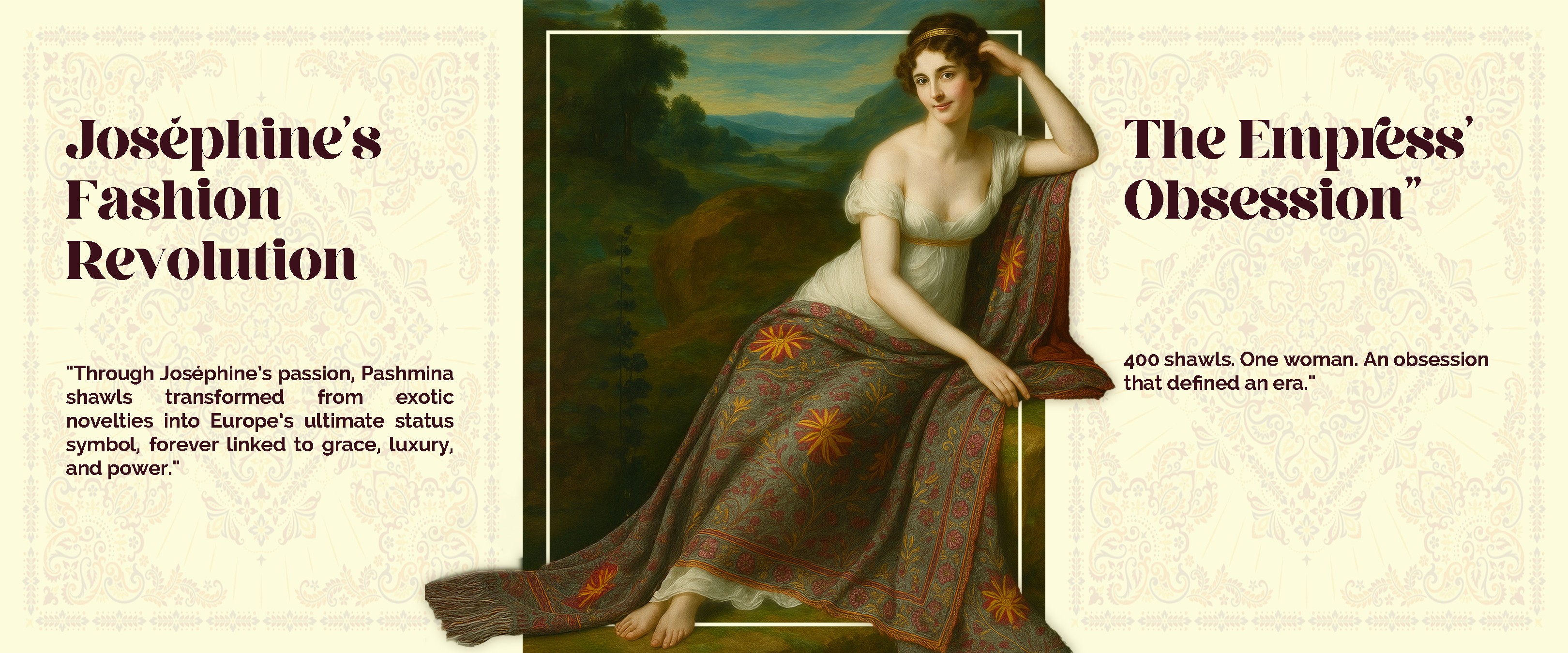
Few textiles have captured royal hearts and imaginations as passionately as the Kashmiri Pashmina shawl. Among history's most notable devotees of this luxurious fabric was Joséphine de Beauharnais, Empress of France and wife of Napoleon Bonaparte. Her obsession not only shaped fashion but also transformed Pashmina into an enduring symbol of European elegance and sophistication
.
Who Was Empress Joséphine?
Born Marie Josèphe Rose Tascher de La Pagerie, Empress Joséphine was Napoleon Bonaparte's first wife and one of the most influential women of her time. Renowned for her exquisite taste and refined elegance, Joséphine became a style icon whose preferences set the trends across European aristocracy.
Joséphine’s Legendary Pashmina Collection
Historical records suggest Empress Joséphine owned over 400 Kashmiri shawls. This extensive collection wasn’t merely a fashion choice but an expression of power, status, and cultural sophistication. Each shawl in Joséphine's wardrobe was meticulously crafted by Kashmiri artisans, featuring intricate designs and unparalleled softness—traits that made them irresistible to Europe's elite
From Kashmir to the French Court: How Pashmina Became Royalty
In the late 18th and early 19th centuries, Pashmina shawls traveled thousands of miles along ancient trade routes, reaching European shores and ultimately captivating Joséphine’s imagination. The shawls quickly transitioned from exotic curiosities into essential wardrobe items among the nobility. Joséphine herself played a significant role in this transformation, often gifting these shawls to influential figures, which further solidified their luxurious reputation.
Influence on European Fashion
Empress Joséphine’s embrace of Pashmina shawls had a profound impact on fashion trends across Europe. She frequently draped these shawls in creative ways, pairing them elegantly with Empire-waist dresses, which were the fashion statement of the era. Soon, the Pashmina shawl became not only a symbol of aristocratic refinement but also a practical accessory offering both warmth and sophistication.
The Legacy of Joséphine’s Obsession
Joséphine’s passion for Pashmina shawls did not just end with her personal wardrobe—it sparked a cultural movement. European textile manufacturers attempted to replicate Kashmiri shawls, leading to various adaptations. However, the authentic Kashmiri shawl remained unparalleled, maintaining its unique value, craftsmanship, and charm.
Today, Joséphine’s legacy endures in modern fashion. Her influence established the Pashmina shawl as an essential accessory synonymous with elegance and timeless luxury, paving the way for contemporary appreciation of Kashmiri craftsmanship.
Why Authentic Kashmiri Pashmina Matters
In a market flooded with replicas and variations, true Kashmiri Pashmina stands apart due to its authenticity, quality, and heritage. At Pashmera, we honor this rich legacy, offering shawls crafted by skilled artisans whose techniques have been passed down through generations.
Every Pashmera shawl carries the historical significance and elegance first popularized by Empress Joséphine herself—making each piece not just an accessory, but a treasured heirloom.
Conclusion: Honoring History, Embracing Elegance
The story of Empress Joséphine and her beloved Pashmina shawls reminds us that true luxury is timeless, blending history, craftsmanship, and elegance into something truly extraordinary. At Pashmera, we strive to preserve this beautiful legacy, offering shawls that embody the spirit of heritage, the warmth of artistry, and the enduring elegance first celebrated in Joséphine’s legendary collection.
Blog
May 18, 2025
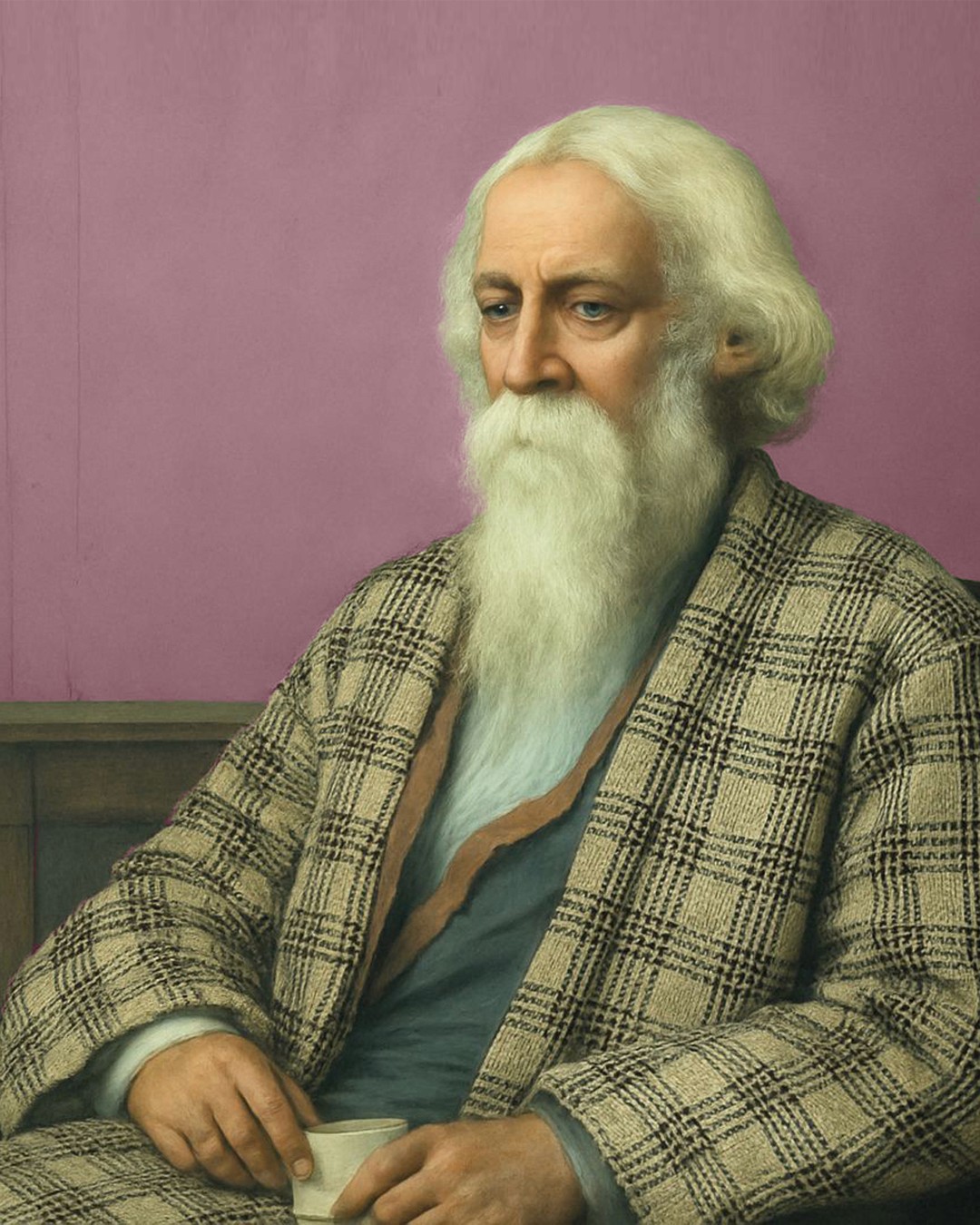
How a Poet’s Elegance Elevated the Pashmina Shawl
Explore how Nobel Laureate Rabindranath Tagore’s love for Pashmina became a poetic expression of cultural pride and timeless grace.
Blog
May 18, 2025
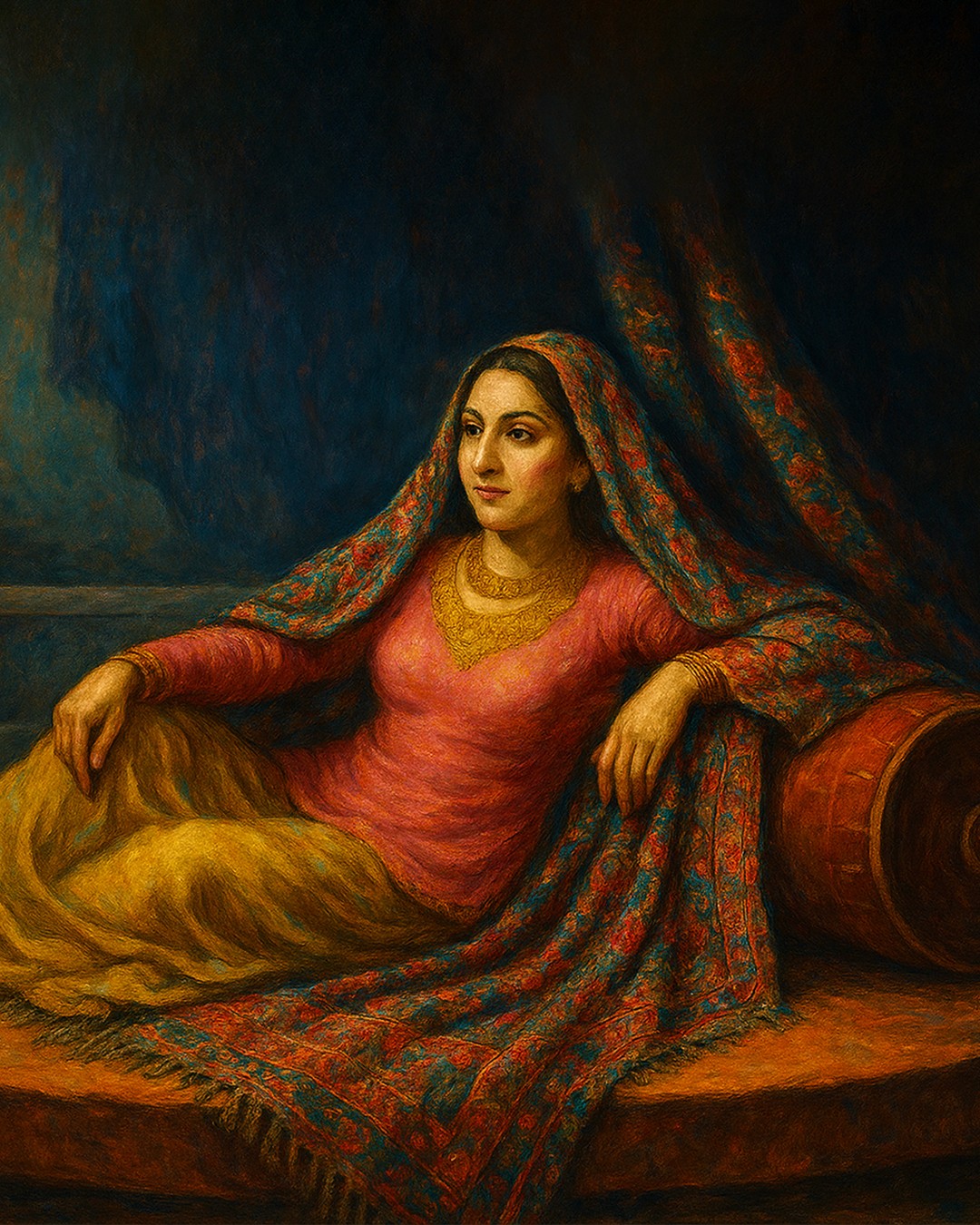
The Empress Who Elevated the Pashmina Shawl
Discover how Empress Noor Jahan’s royal influence turned the Pashmina shawl into an icon of power, artistry, and regal sophistication.